01
Field observation
“The supplies ran out in days.”
Lesson 01
Build capability that lasts.
Practical learning should strengthen capability after material support is gone.
Loading page…
Our model · Pilot 001 in design
Rebuild & Rise is preparing to test a seven-step approach that begins with community priorities and aims to strengthen the people, relationships, and local systems already present. Pilot 001 is still in design; this page describes the working model, not a proven result.
Seven steps, grouped into three movements. The sequence is intended to be tested, documented, and revised through focused community pilots.
01
Listen to needs, risks, priorities, and existing support structures.
02
Identify trusted leaders and local structures with whom a pilot could be designed.
03
Develop practical learning around the need the pilot is addressing.
04
Map verified referral routes to support the pilot cannot provide.
05
Return to document progress, barriers, and what needs to change.
06
Track simple indicators of participation, learning, and follow-through.
07
Build local capability and strengthen systems that can continue beyond an external visit.
What the field taught us
Our founders’ 2022 relief work mattered: people ate, volunteers served, and trust was built. Its limits also became impossible to ignore. Rebuild & Rise’s working model begins with three honest lessons about the method we used.
01
Field observation
“The supplies ran out in days.”
Lesson 01
Practical learning should strengthen capability after material support is gone.
02
Field observation
“We left, and nothing of us stayed.”
Lesson 02
Follow-up and locally defined roles should support continuity after an external visit.
03
Field observation
“We couldn’t say what actually changed.”
Lesson 03
Simple measures should be defined before delivery begins.
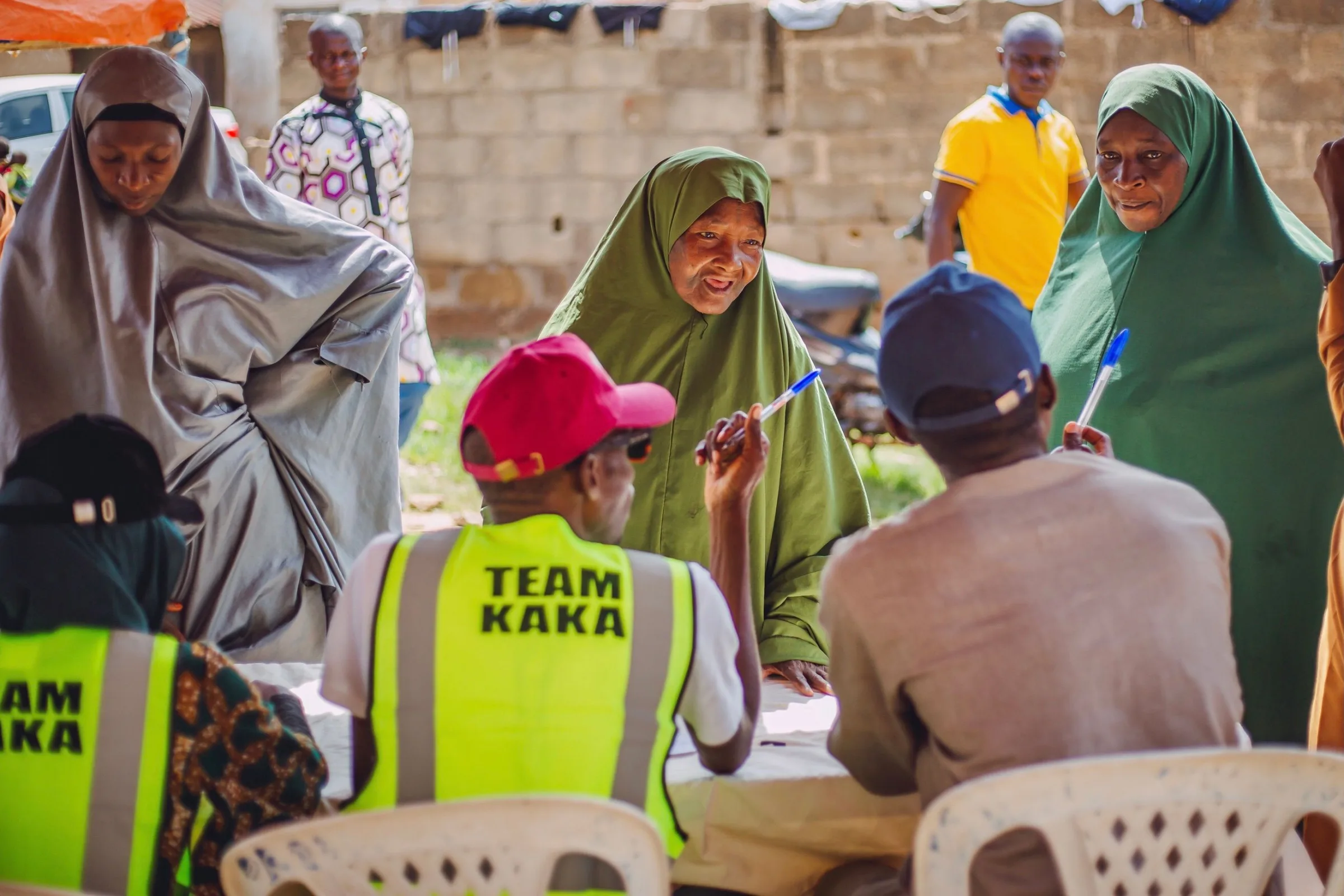
Movement 01 · Listen and establish trust
Begin with the community already there.
A future pilot would begin by listening to community members about needs, risks, priorities, and the support structures that already exist. It would then identify the local leaders and institutions whose knowledge, trust, and accountability are essential to responsible planning.
Possible partners may include community and faith leaders, women leaders, schools, clinics, and credible organizations. The exact partners for Pilot 001 have not yet been confirmed.
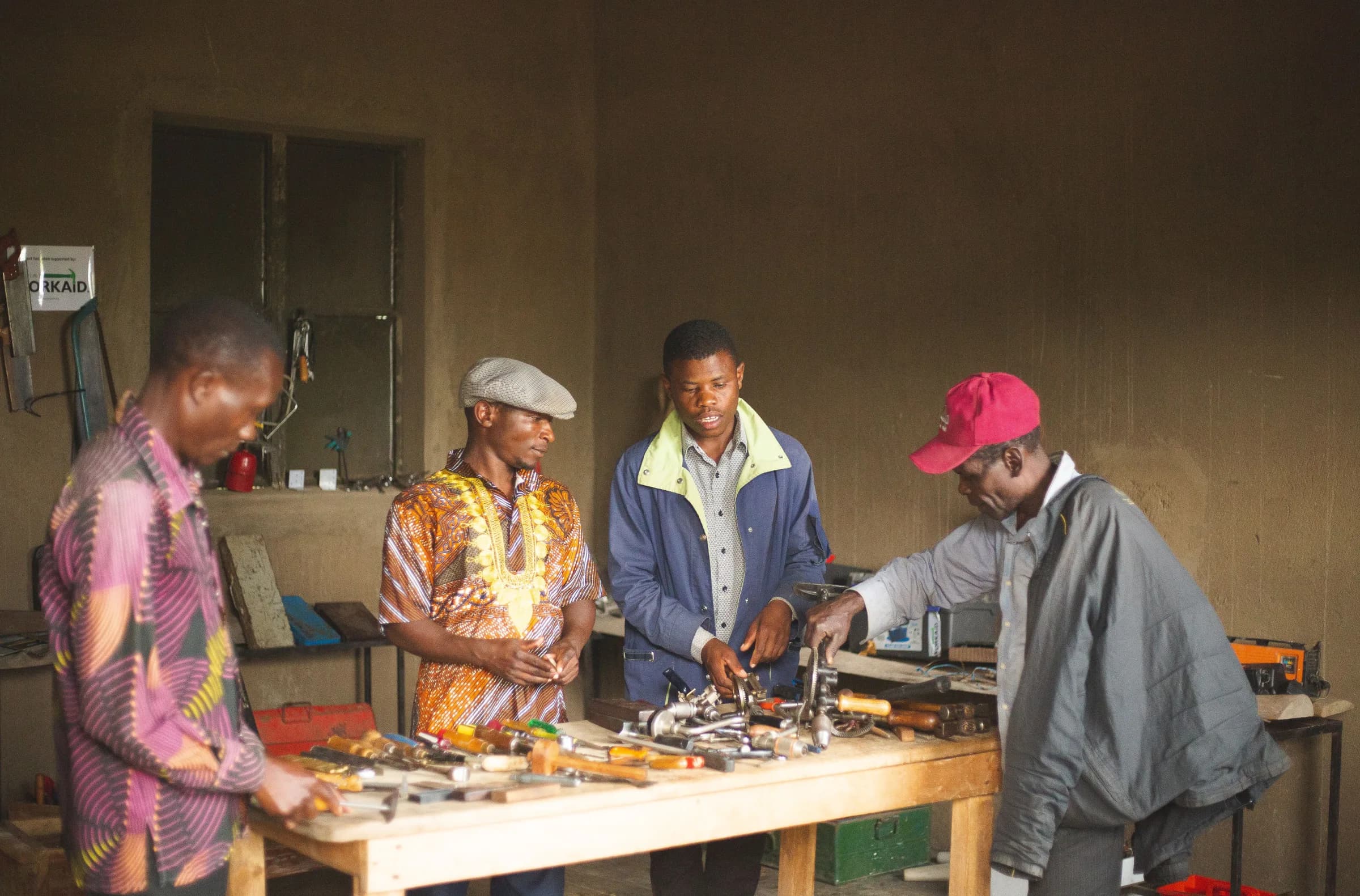
Movement 02 · Build capability and routes onward
Useful learning should lead somewhere.
Training within a future pilot would be practical and selected around the community need—for example, health literacy, learning support, life skills, or livelihood readiness. The model does not assume that one curriculum fits every community.
Connection means defining referral pathways for needs a pilot cannot safely or appropriately meet itself. Any route to a clinic, school, mentor, service, or other support would need to be locally verified before it is presented as available.
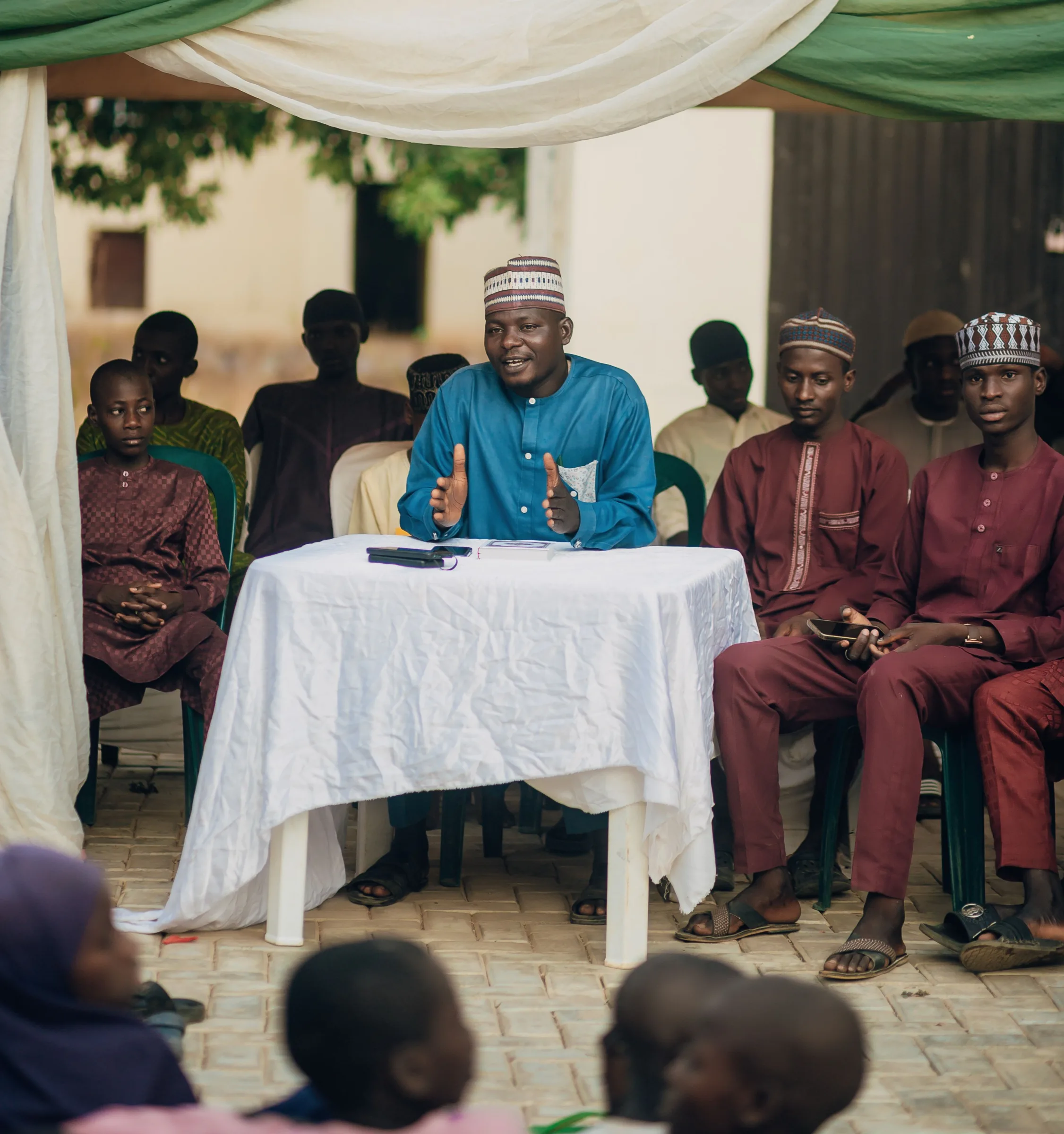
Movement 03 · Return, learn, and leave strength behind
The work is not finished when an activity ends.
A pilot would return after delivery to document participation, learning, follow-through, and the barriers people still face. Simple, practical measures are intended to help the organization learn honestly, including when evidence is incomplete or mixed.
Sustainability means strengthening local facilitators, relationships, and systems that can continue beyond an external visit. The goal is not to replace communities. It is to support the people and structures already present to work better together.
Open questions
Pilot 001 is in design, so the responsible thing is to show the questions that remain open. These decisions will be resolved before they are presented as settled practice.
01
Which specific need and community context can support a focused, ethical first pilot.
02
How often follow-up is useful, feasible, and respectful of community time.
03
What participation, learning, and follow-through mean for the selected pilot—and what can be measured without overburdening people.
04
How local partners and referral destinations will be checked before their roles are published or relied upon.
05
The practical procedures required before work involving children or vulnerable people can begin.
06
What Rebuild & Rise can responsibly coordinate itself, what requires qualified partners, and what must remain outside the pilot.
Next chapter
The four program areas describe possible fields of work for future pilots. They do not describe services currently in delivery.